A cozy outdoor living space need to feel like a natural extension of your home, a spot where you can breathe easier, share a meal, or listen to crickets under the Carolina sky. In Greensboro, that comfort lives and dies by style options that respect our environment, soil, and tree canopy. I have actually constructed and refreshed areas throughout Guilford County enough time to see what lasts through summer seasons that swing from damp to bone dry, and winters that flirt with ice. The projects that age well share a typical thread: they concentrate on microclimate, products, and upkeep from the first day, and they treat landscaping as the foundation rather than an afterthought.
Start with how you'll use the space
People often start with a shopping list: a fire pit, a grill, a set of lounge chairs. The much better beginning point is your routine. Morning coffee reader, or night host? Family dinners outside three nights a week, or two peaceful hours on Sunday? Greensboro's weather provides us three long shoulder seasons with generous sun angles, which means you can squeeze a surprising variety of days outside if your design blocks wind, bakes in winter sun, and provides summertime shade. Think about your yard as a series of micro-rooms you use at different times of day.
For example, one couple in Fisher Park wanted a breakfast nook near their kitchen area door. We tucked a little bluestone balcony on the east side of your home, which gets soft early morning light and remains shaded by 2 p.m. In summer it reads cool and green. In winter, with leaves gone, they still capture sufficient sun to warm a chair and dry the stone quickly after a frost. On the west side, where heat builds in late afternoon, we put a deeper seating area under a pergola and let a native crossvine climb it for filtered shade.
Work with Greensboro's environment, not against it
The Piedmont tosses variety at you: humid summer seasons in the high 80s and low 90s, sudden rainstorms, occasional drought, and winters that hover around freezing with a few icy punches. Creating for coziness means forecasting those swings.
- Rain and overflow: Numerous Greensboro lots have gentle slopes and heavy clay subsoils. Clay holds water, then cracks when dry. If your patio area sits straight on clay without correct base product and slope, winter season freeze-thaw and summer season shrink-swell will move it. Use a compressed crushed stone base, not sand alone, and slope hardscapes 1 to 2 percent away from structures. Where water naturally wishes to go, develop capacity: a swale planted with soft rush and native sedges, or a discreet dry well. Sun and shade: The angle of the late afternoon sun can turn any west-facing outdoor patio into a frying pan. Plant deciduous trees or set up a trellis on the west and southwest exposures. Deciduous shade gives you another gift: winter season sun puts through when you need it. Wind: In winter, wind commonly cuts from the northwest. A screen of evergreen hollies or southern magnolia along that edge takes the sting out of December evenings. Do not develop a solid wall unless you desire a wind eddy swirling into your seating location; staggered plantings or slatted screens sluggish air without triggering turbulence.
Let your house lead the design
The finest outside rooms feel unavoidable, like your home suggested to open into them. In Greensboro's older neighborhoods, you'll find brick Georgian facades, Artisan bungalows with deep porches, and mid-century ranches with long, low lines. Each requests a various touch.
For a brick colonial, brick or bluestone patio areas typically feel right due to the fact that they echo existing materials and percentages. Keep joints tight and patterns easy. A bungalow succeeds with more casual edge curves and plant-forward borders, maybe a gravel terrace framed by reclaimed brick that matches the patio piers. Mid-century ranches can bring longer, cleaner airplanes: concrete with a light broom finish, essential color, and a basic steel pergola for shade.
A simple guideline when selecting materials: repeat at least one texture and one color currently present on your home's exterior. That repeating relaxes the eye and connects the space together. If your home sports warm red brick and black accents, a bluestone patio area with pewter tones and black powder-coated fixtures feels connected. If the siding is a soft gray-green, consider silver travertine, Tennessee flagstone with green undertones, or a pale tan gravel that complements rather than competes.
Hardscape options that remain comfortable
Cozy is not only style, it is temperature level underfoot and comfortable seats for longer than twenty minutes. In the Piedmont heat, darker stone can be penalizing. On a July afternoon, dark granite pavers can climb past 130 degrees. Lighter, denser stone like bluestone in the full-color range stays visibly cooler, particularly if it gets partial shade by 2 p.m. Concrete pavers have enhanced, but pick systems with through-body color so scratches and chips don't reveal a lighter core. Permeable pavers deserve the extra effort on flat to moderate slopes. They aid with stormwater, and their open joints permit a little evaporative cooling.
Seating height matters. The majority of people find 16 to 18 inches comfortable for lounge seating and 18 to 20 for dining chairs. If you construct a seat wall, top it at about 18 inches and permit a minimum of 12 inches of cap depth so it functions as a perch. Include cushions that can deal with sudden downpours, and choose materials with solution-dyed acrylics that withstand fading under North Carolina sun.
For paths, gravel looks lovely and manages irregular edges, but it moves. If you want gravel, set up a border restraint and consider a resin-stabilized item in high-traffic areas. Fines-only screenings compact into a tighter surface that supports chairs. For quiet underfoot, pea gravel is pleasant, but it spreads more without a stabilizer grid.
Planting for Greensboro's seasons
Landscaping sits at the center of convenience. Plants can drop the felt temperature level by numerous degrees, obstruct wind, soften sound from Bryan Boulevard, and perfume the air. In Greensboro, we sit sturdily in USDA Zone 7b to 8a depending on microclimates. That opens a broad combination, but the best entertainers are resilient natives and regionally adjusted species.
Aim for layered structure: canopy, understory, shrubs, perennials, and groundcovers. A little yard can still hold this hierarchy with a single canopy tree, a couple of multi-stem understory shrubs, and layered edges. American hornbeam and eastern redbud make respectful little trees suitable for near-patio planting, with root systems less most likely to heave stone. For evergreen backbone, inkberry holly and Little Gem magnolia hold kind without going feral. If you want a hedge that earns its keep, Carrieens, Oakleaf holly, or a double row of sweet bay magnolia offer screening with scent and movement.
Perennials and turfs do the seasonal heavy lifting. Switchgrass and little bluestem catch light and stand through winter season, then cut back in late February. Coneflower, black-eyed Susan, and mountain mint feed pollinators and are dry spell tolerant as soon as established. Liriope has actually been overused for years, and while it survives, it can look tired and harbor weeds. Consider Appalachian sedge or sneaking thyme near pavers for a cleaner, more contemporary ground plane.
One care: crepe myrtles anchor numerous Greensboro streets, and for good factor. They flower through heat and forgive overlook. If you plant one, choose a cultivar with mature size that fits the area so you never feel tempted to top it. Topping creates weak branches and ruins the shape. There are dwarf forms that peak under 10 feet and larger kinds that desire 25.
Soil, watering, and the Greensboro clay question
Greensboro's red clay can be either your buddy or your frustration. It holds nutrients well, however it suffocates roots if you do not enhance structure. Before planting, loosen the top 8 to 12 inches and mix in a couple of inches of garden compost, however do not create separated pockets of fluffy soil in a sea of clay. Plants will remain in the soft spot and girdle. Think broad, even improvement. Where runoff streams through, resist loading that swale with natural material that will drift away. Use gravel underlayment and hard, water-loving locals like river oats and soft rush.
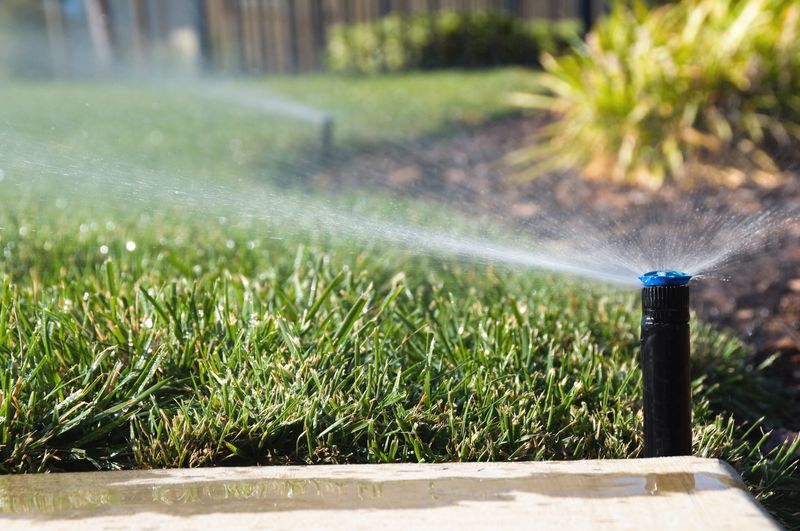
A watering system can be practical, though not obligatory. The trick is picking zones and heads that match plant requirements. Turf has higher water needs than shrubs. Drip watering on beds conserves water, avoids damp foliage that invites illness, and keeps patio areas drier. Invest in a clever controller that utilizes weather data, but still walk the yard, dig a few test holes, and validate soil wetness. Greensboro summer seasons typically bring afternoon storms that look dramatic and hardly soak an inch of soil.
Mulch with intent. A 2 to 3 inch layer of shredded hardwood moderates soil temperature and saves wetness. Keep mulch off trunks and the edges of stepping stones. If you desire a cleaner appearance near hardscape, utilize a mineral mulch like small angular gravel that sits tight and decreases termite concerns near wooden structures.
Comfort in the shoulder seasons
The Piedmont's sweetest outdoor days frequently arrive in March, April, October, and early November. Prepare for those windows. A low, effective fire feature extends evenings without turning your patio into a smokehouse. Gas or gas burners offer ease of usage, however lots of property owners like the smell and routine of wood. If you choose wood, construct with a raised edge and respect Greensboro's burn guidelines. Keep distance from structures, and in older communities with mature trees, utilize a stimulate screen when leaves are dry.
For cold early mornings, a south-facing nook that catches sun creates a remarkably warm microclimate. Light paving, a wall behind the chair to block wind, and a container of rosemary or dwarf olive add aroma and visual warmth. Cushions ought to be quick-dry. Greensboro can deliver dew that sticks around. A breathable storage box near the door earns its space.
Outdoor rugs can make bare feet delighted, however they trap wetness. In shaded locations, pick rugs with open weaves and lift them every couple of days after rain. Where mold tends to grow, lean on smoother finishes and minimal fabrics later on in the season.
Lighting that flatters and functions
A comfortable area during the night owes a lot to mindful lighting. The objective is to see faces, steps, and the edges of furnishings without feeling like you are on a phase. Layer soft, indirect light from numerous sources. Warm color temperature levels around 2700K to 3000K sit closest to firelight and flatter skin tones. I choose small, shrouded components under seat walls, cap lights on steps, and a handful of downlights tucked into trees where permitted and installed without damaging bark. Prevent glaring up-lights that blind visitors or trespass into neighbors' windows.
Choose components rated for outdoor usage with durable surfaces. Greensboro's humidity and pollen can be rough on inexpensive metals. Powder-coated brass or stainless-steel hardware will last longer than thin aluminum. If you run low-voltage lines, position them where you can access them after you include or change plants, and leave extra wire coiled discreetly for flexibility.
Managing personal privacy without constructing a fortress
Many Greensboro communities enjoy mature trees and generous setbacks, however newer advancements and corner lots can feel exposed. Privacy that feels comfortable is layered and partial, not outright. A trellis with evergreen jasmine near the dining table, a cluster of ornamental lawns that rustle and rise to take on height, and a partial slatted screen by the grill can break sight lines without blocking breezes. Where you need more, a double staggered row of hollies or tea olives produces depth and muffles sound much better than a single dense hedge.
Understand your residential or commercial property lines and any homeowner association guidelines before you plant tall screens. Talk with next-door neighbors. When a screen sits entirely on your side but benefits both homes, cooperation goes a long way if you need upkeep access later.
The role of water and sound
Greensboro lawns typically lie within earshot of traffic, leaf blowers, and weekend tasks. A little recirculating water feature can mask that noise. Scale matters. A bubbling urn near a seating location offers localized sound without drawing mosquitoes or ending up being a maintenance headache. Prevent wide, shallow basins that heat up and turn green by mid-July. Select a dark interior to hide algae in between cleanings, and place the reservoir where you can reach it quickly. In winter season, drain pipes the system if hard freezes are anticipated, or keep flow very little and protected to prevent ice damage.
Sound takes a trip across difficult surface areas. A hedge or fence on the residential or commercial property edge helps, but so does softening the instant zone. Plants along the outdoor patio edge, outdoor drapes on a pergola, and upholstered seats take in frequencies that otherwise bounce.
Furniture that fits Greensboro life
Select pieces based on weight, not just looks. Thunderstorms can pull a lightweight chair halfway throughout the lawn. Powder-coated aluminum https://backyardbliss4.gumroad.com/p/greensboro-nc-lawn-care-calendar-what-to-do-every-month strikes a great balance: light enough to move, heavy enough to stay put. Teak ages gracefully if you accept the silver patina. If you demand keeping the honey tone, prepare for light yearly sanding and oiling. Wicker, even synthetic, can trap pollen and become tiresome to clean throughout spring's yellow wave. Smooth surfaces make clean-up faster.
Right-sizing matters more than you think. A table that seats 6 easily usually desires at least a 12 by 12 foot area, consisting of space to pull out chairs. Lounge groupings need generous circulation so visitors do not shuffle sideways. A few of the coziest patios in Greensboro are under 200 square feet, however they draw you in due to the fact that they respect the dimensions of motion. Attempt chalking details before you buy. Cope with the mockup for a weekend.
Edible touches without the headache
You can fold edibles into decorative beds for beauty and a sense of abundance without turning the space into a complete kitchen garden. Blueberries love our acidic soils and reward you with spring flowers, summertime fruit, and fiery fall color. Put them along an edge where they get at least half a day of sun and constant wetness. Rosemary, thyme, and chives flourish in pots with gritty soil. Tomatoes are harder in little decorative areas due to the fact that they look rough by August and can attract hornworms. If you plant them, keep them to a different warm corner with good air flow, and accept that they will not constantly photograph well.
Raised planters near the kitchen area door work if they are built deep enough, roughly 18 to 24 inches, and lined effectively. Prevent railway ties because of creosote. Usage rot-resistant lumber or composite products. Location a hose bib within simple reach.
Budgeting and phasing the build
A polished outdoor home does not need to occur at the same time. In truth, phasing pays off because you can check usage patterns before you devote to big structures. The common trap is spending the majority of the spending plan on furniture and a grill while disregarding drain, shade, and soil. Turn that order. Repair water initially. Then put in the bones: patio, paths, electrical avenue, pergola posts. After that, plant structural trees and shrubs. Perennials and furniture can be available in waves. If spending plan tightens, set sleeves under hardscape for future energies. You will thank yourself when you add lighting or a gas line later.
Costs vary extensively, however a sturdy outdoor patio with base, edging, and correct drain generally runs higher than house owners expect. For Greensboro, quality flagstone or paver installations can land in the variety of 25 to 45 dollars per square foot for uncomplicated websites, more with steps and walls. Custom-made carpentry, pergolas, and incorporated seating contribute to that. Excellent landscaping, particularly mature trees, can be the best per-dollar comfort investment. A 10 to twelve foot high tree creates effect on the first day and starts working as shade the following summer.
Maintenance: the unglamorous path to lasting comfort
Cozy is not upkeep free. Strategy jobs that you can deal with, then automate or streamline the rest. In Greensboro, I recommend a seasonal rhythm.
- Late winter: Cut back ornamental lawns and perennials before new development, check watering for leakages, and replenish mulch where it has actually thinned. Inspect lighting connections after freeze-thaw cycles. Spring: Tidy pollen off furniture and carpets weekly during the peak yellow weeks. Fertilize shrubs and yards decently if soil tests necessitate. Stake floppy perennials early, not when they have currently flopped. Summer: Deep water brand-new plantings once or twice a week if rains miss, concentrating on root zones. Trim hedges gently. Keep an eye out for Japanese beetles in June and hand-pick or use traps put far from seating. Fall: Plant trees and shrubs. Our fall planting window is generous, and roots establish before summer heat. Tidy seamless gutters so roof overflow does not flood patio areas. Adjust lighting timers as days shorten. Anytime: Touch up surface areas. Re-sand paver joints as needed, tighten hardware, and examine that unsteady chair before a guest discovers it.
Lighting, heat, and code considerations
If you bring gas to an outdoor kitchen or fire pit, pull permits and utilize licensed contractors. Greensboro inspectors are useful and focus on safety. Gas lines need appropriate burial depth, shutoff valves, and bonding. Electrical runs must remain in channel rated for burial with GFCI defense and weatherproof components. When in doubt, location additional channel lines under patios during construction for future flexibility. Digging through finished stone to add a light later is expensive and avoidable.
If you include a pergola or shade structure, consider how the sun tracks throughout your specific backyard. I often set slats perpendicular to the afternoon sun in summer season so they toss deeper shadows. Adjustable louvers cost more, however they convert a punishing area into a usable one on the hottest days. Greensboro's storms can bring unexpected gusts, so anchor structures to footings sized for our frost line and uplift loads, not just quite posts in soil.
Small yards, big heart
Townhomes and tight city lots can still provide heat. In College Hill and parts of Westerwood, I have actually developed patios hardly 10 by 12 feet that feel inviting. The trick is vertical layering and restraint. One little tree, one multi-stem shrub, and a vine on a trellis can provide the sense of enclosure that otherwise comes from distance. Mirrors on a fence, used sparingly and positioned to show plants instead of next-door neighbors' windows, broaden space. Limitation your palette to a handful of materials duplicated. Too many textures in a small backyard checked out as clutter.
Sound delicate next-door neighbors will value soft tramps. Select rubber underlayment underneath pavers on rooftop decks, and keep chair feet topped. If your grill sits inches from a residential or commercial property line, purchase a quiet design and bear in mind smoke drift. Courtesy is a style feature.
How local professionals assist without taking over
There is a strong bench of pros managing landscaping in Greensboro NC, from independent designers to full-service companies. A consult does not lock you into a high-dollar project. A two-hour on-site session can fix design puzzles, recognize drain dangers, and give you a focused on plan. If you hire out part of the work, be clear about what you'll deal with. Many house owners do demolition and planting while leaving the base preparation and stonework to a team with the right compactors and saws. Ask for references with jobs at least a year old. Time is the reality serum for hardscapes and plant selections.

If you choose to do it yourself, check out local nurseries that grow regionally adapted stock. Personnel who have actually seen plants perform in Piedmont soil will steer you far from quite but weak choices. Bring images of your lawn at midday and late afternoon, plus a simple sketch with measurements. Great recommendations depends upon precise context.
A Greensboro scheme that works
The most long-lasting spaces speak silently. In our light, earthy reds, warm grays, and deep greens check out natural. White reveals every bit of pollen and mildew by May. Black metal accents can be sophisticated, but in full sun they warm up. Mid-tone surfaces are forgiving. If you yearn for color, utilize it in cushions or planters that you can turn through the year. Fall provides a chance to switch in rust, ochre, and plum, which harmonize with the changing canopy. Spring welcomes fresh greens and blues that echo brand-new growth and the Carolina sky.
Plants can carry color too. An edge of hellebores nodding in February, azalea clouds in April if you choose ranges with discipline, and the radiance of oakleaf hydrangea flowers aging to pink in midsummer keep the story moving. Resist the desire to gather one of everything. Repeating is comfortable because your brain acknowledges patterns and relaxes.
Final ideas from the field
The coziest outdoor home in Greensboro seldom shout. They are built on drainage you never discover, shade you value only when you step beyond it, and plants that work more difficult than they look. They invite you out on a Thursday at 7 p.m. in July when the cicadas hum and a glass sweats on the table, and again in late October with a sweater and a soft swimming pool of light. If you align your choices with our climate, respect your home's bones, and treat landscaping as the foundation, the area will make its keep day after day.
If you are gazing at an irregular lawn and a blank notepad, start with 3 moves: decide where the early morning coffee will taste best, sketch the path you will stroll every day between cooking area and grill, and mark the place you wish to view the sky at dusk. Style the rest in service of those moments. The result will feel individual, practical, and comfortable, the method a Greensboro patio has actually constantly felt when done right.
Business Name: Ramirez Landscaping & Lighting LLC
Address: Greensboro, NC
Phone: (336) 900-2727
Website: https://www.ramirezlandl.com/
Email: [email protected]
Hours:
Sunday: Closed
Monday: 8:00 AM–5:00 PM
Tuesday: 8:00 AM–5:00 PM
Wednesday: 8:00 AM–5:00 PM
Thursday: 8:00 AM–5:00 PM
Friday: 8:00 AM–5:00 PM
Saturday: 8:00 AM–5:00 PM
Google Maps: https://www.google.com/maps/search/?api=1&query=Google&query_place_id=ChIJ1weFau0bU4gRWAp8MF_OMCQ
Map Embed (iframe):
Social Profiles:
Facebook
Instagram
Major Listings:
Localo Profile
BBB
Angi
HomeAdvisor
BuildZoom
Ramirez Landscaping & Lighting is a Greensboro, North Carolina landscaping company providing design, installation, and ongoing property care for homes and businesses across the Triad.
Ramirez Landscaping & Lighting offers hardscapes like patios, walkways, retaining walls, and outdoor kitchens to create usable outdoor living space in Greensboro NC and nearby communities.
Ramirez Landscaping & Lighting provides irrigation services including sprinkler installation, repairs, and maintenance to support healthier landscapes and improved water efficiency.
Ramirez Landscaping & Lighting specializes in landscape lighting installation and design to improve curb appeal, safety, and nighttime visibility around your property.
Ramirez Landscaping & Lighting serves Greensboro, Oak Ridge, High Point, Brown Summit, Winston Salem, Stokesdale, Summerfield, Jamestown, and Burlington for landscaping projects of many sizes.
Ramirez Landscaping & Lighting can be reached at (336) 900-2727 for estimates and scheduling, and additional details are available via Google Maps.
Ramirez Landscaping & Lighting supports clients with seasonal services like yard cleanups, mulch, sod installation, lawn care, drainage solutions, and artificial turf to keep landscapes looking their best year-round.
Ramirez Landscaping & Lighting is based at 2700 Wildwood Dr, Greensboro, NC 27407-3648 and can be contacted at [email protected] for quotes and questions.
Popular Questions About Ramirez Landscaping & Lighting
What services does Ramirez Landscaping & Lighting provide in Greensboro?
Ramirez Landscaping & Lighting provides landscaping design, installation, and maintenance, plus hardscapes, irrigation services, and landscape lighting for residential and commercial properties in the Greensboro area.
Do you offer free estimates for landscaping projects?
Ramirez Landscaping & Lighting notes that free, no-obligation estimates are available, typically starting with an on-site visit to understand goals, measurements, and scope.
Which Triad areas do you serve besides Greensboro?
Ramirez Landscaping & Lighting serves Greensboro and surrounding Triad communities such as Oak Ridge, High Point, Brown Summit, Winston Salem, Stokesdale, Summerfield, Jamestown, and Burlington.
Can you help with drainage and grading problems in local clay soil?
Yes. Ramirez Landscaping & Lighting highlights solutions that may address common Greensboro-area issues like drainage, compacted soil, and erosion, often pairing grading with landscape and hardscape planning.
Do you install patios, walkways, retaining walls, and other hardscapes?
Ramirez Landscaping & Lighting offers hardscape services that commonly include patios, walkways, retaining walls, steps, and other outdoor living features based on the property’s layout and goals.
Do you handle irrigation installation and repairs?
Ramirez Landscaping & Lighting offers irrigation services that may include sprinkler or drip systems, repairs, and maintenance to help keep landscapes healthier and reduce waste.
What are your business hours?
Ramirez Landscaping & Lighting lists hours as Monday through Saturday from 8:00 AM to 5:00 PM, and closed on Sunday. For holiday or weather-related changes, it’s best to call first.
How do I contact Ramirez Landscaping & Lighting for a quote?
Call (336) 900-2727 or email [email protected]. Website: https://www.ramirezlandl.com/.
Social: Facebook and Instagram.
Ramirez Landscaping & Lighting proudly serves the Greensboro, NC region and provides professional irrigation installation solutions for homes and businesses.
Searching for landscaping in Greensboro, NC, visit Ramirez Landscaping & Lighting near Tanger Family Bicentennial Garden.